Six months after Massachusetts regulators approved rules for Amsterdam-style cannabis consumption lounges, almost nothing has moved. Towns haven't adopted the required zoning. The Cannabis Control Commission hasn't opened applications. And in the gap between those two institutional hesitations, a growing number of licensed dispensary operators are burning through reserves - paying rent on half-finished renovation projects with no opening date in sight.
The standoff follows a pattern familiar to anyone who has watched regulated cannabis markets develop from scratch. Municipalities want finalized license frameworks before committing to local zoning changes. The CCC, for its part, says it needs more communities to opt in before it can justify accelerating the licensing pipeline. In other states - Colorado, New Mexico, New Jersey - consumption lounge rollouts took between one and three years after regulatory approval, even under less complicated political circumstances. For context, operators building out point-of-sale infrastructure and compliance workflows in adjacent markets have had similar coordination headaches; the need for operational clarity before capital deployment is a lesson documented repeatedly in licensed cannabis retail, as resources covering cannabis POS for Illinois dispensaries and similar markets have illustrated when tracking how regulatory uncertainty affects technology and build-out timelines for operators. Here in Massachusetts, the mutual waiting game has real financial victims.
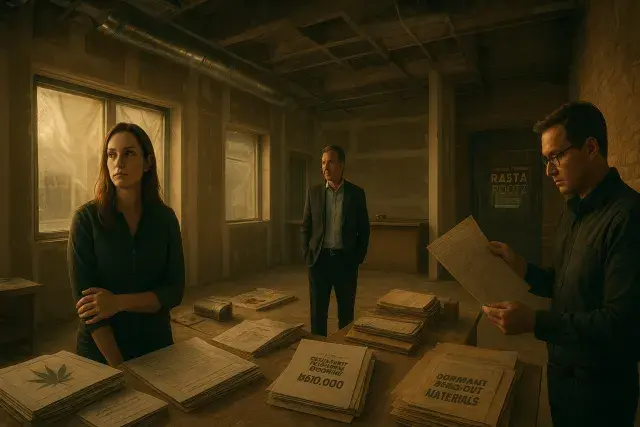
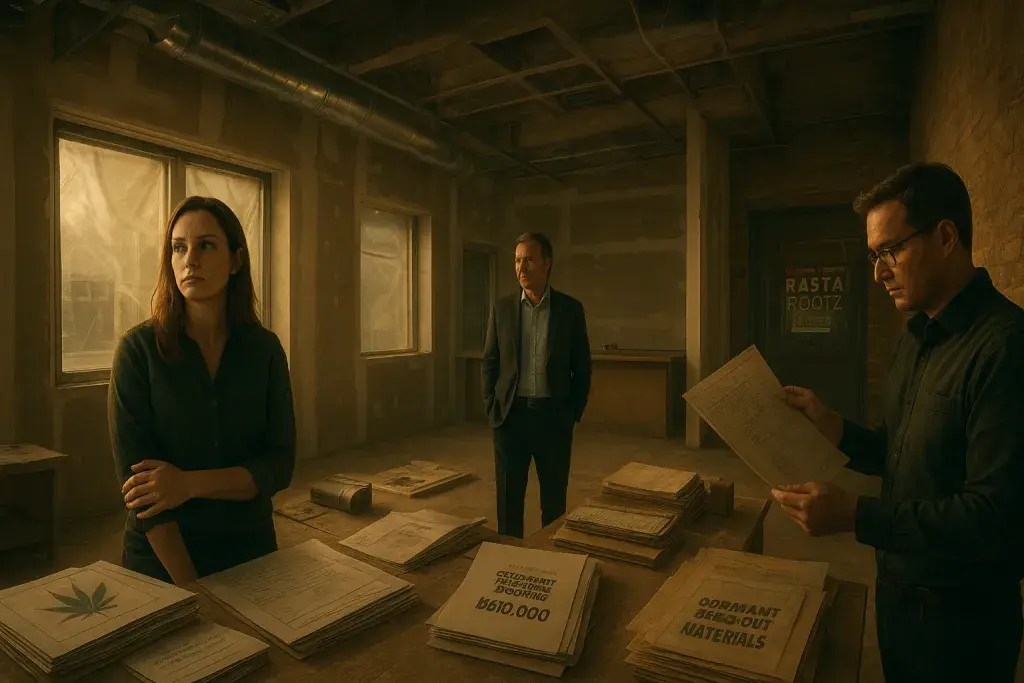
Caroline Pineau, owner of Stem in Haverhill, broke ground on a renovation exceeding $2 million to convert the top floor of her waterfront dispensary into a consumption lounge. She submitted a zoning proposal to Haverhill's planning board last month; city legal staff requested revisions to resolve conflicts with existing ordinances, pushing any vote to July at the earliest. Frank Dailey, owner of Boston Bud Factory in Holyoke, has spent $70,000 on a planned tasting room that sits unfinished. On Newbury Street in Boston, retailer Brian Keith spent $60,000 roughly five years ago preparing lounge space - capital that has generated zero return. One Boston operator, Rasta Rootz, closed permanently in January, with its owner citing the slow pace and what he described as false promises around social consumption as contributing factors.
A Regulatory Structure That Requires Two Parties to Move First
The CCC's framework for social consumption licenses rolls out in three tiers. First come supplemental licenses - add-ons for existing licensed dispensaries that want to permit on-site smoking. After those, hospitality licenses would cover third-party venues like yoga studios or movie theaters that want to host consumption. Events licenses, covering cannabis-infused gatherings like music festivals, come last. Businesses cannot apply to the CCC until they have local approval. Local governments, under the 2022 reform legislation that enabled opt-ins, must act first - either through city council or town meeting votes, or via voter referendum on local ballots this fall.
As of mid-June, the CCC is in the third of five phases in finalizing its license framework, with no hard calendar deadlines attached to any stage. The commissioners who originally passed the social consumption regulations were removed this spring during a Legislature-mandated overhaul of the CCC; three new Healey administration appointees came on board last month. Those new commissioners must also address other legally mandated reforms, including revising caps on how many retail licenses a single entity can hold - which compresses whatever bandwidth remains for accelerating the lounge rollout. Commissioner Xiomara DeLobato, now leading the social consumption effort, told an industry stakeholders conference in Boston that "the municipal side needs to come first." That's a defensible position administratively. In practice, though, it gives municipalities every reason to keep waiting.
Small Operators Carrying Disproportionate Risk
The operators absorbing the most damage here are not multi-state companies with the balance sheet to carry a stalled project. Most are independent, single-location or small-portfolio licensees - the exact profile the state's social equity licensing structure was designed to support. For the first three years after the first lounge of each type opens, only participants in Massachusetts's social equity programs can receive social consumption licenses. Those programs target entrepreneurs from communities disproportionately affected by cannabis enforcement. The policy intent is sound. The execution problem is that social equity applicants are often the least capitalized, making prolonged pre-opening burn rates especially punishing.
Kyle Moon, owner of The Summit Lounge in Worcester - a private social club currently operating in a legal gray area by charging entry fees without selling cannabis - said he has waited nearly a decade for a licensing framework that would let him operate profitably and above board. Following the CCC's December vote he hired additional staff and retained consultants. Worcester itself faces what City Councilor Robert Bilotta described as a "tangle of regulations," including contradictions between indoor smoking policies and food-and-beverage sale rules, that must be untangled before any opt-in vote is realistic. Blackstone, a small town south of Worcester, voted in May to opt in - but the only local business interested in a lounge doesn't qualify for the social equity program, creating a mismatch between municipal readiness and regulatory eligibility.
Compliance Costs Remain Unknown, Adding to Operator Exposure
Even if zoning and licensing align, operators will face a compliance buildout whose costs remain largely unquantified. Indoor smoking lounges will require air filtration systems that, depending on square footage and ventilation specifications, could run into the millions of dollars, according to Dailey. Food and beverage policies, staff training certification requirements, and consumption monitoring protocols - all of which will flow from final CCC rules - haven't been fully defined. Without those parameters, operators can't accurately model project costs, making it nearly impossible to secure financing or satisfy landlord requirements tied to certificate of occupancy milestones.
A CCC spokesperson said vendor training programs - the first step in the rollout sequence - are expected later this summer, with applications to follow. That timeline has already shifted once following the commission's spring restructuring. Pineau, unwilling to wait indefinitely on local officials, is gathering signatures to place a zoning referendum on Haverhill's November ballot. That route works if the commission's application pipeline is ready before or shortly after local votes pass - otherwise it simply resets the clock. "Without the clarity in terms of timelines, you're just setting up for the same outcomes," said Chris Vining, owner of The Goods Cannabis Dispensary in Davis Square. He's watched this before: Massachusetts's initial adult-use retail rollout after 2016 left operators sitting on signed leases and empty storefronts for years while regulatory processes dragged. The lounge rollout is tracing a recognizable outline.