A Missouri state audit has found that two former Webster Groves employees ran up more than $4,300 in personal charges on city-issued credit cards, with purchases ranging from rideshare trips to a cannabis dispensary, strip clubs and an Airbnb stay. The findings, released Wednesday by state Auditor Scott Fitzpatrick, point less to a single bad actor and more to a purchasing card system with almost no meaningful checks in place.
For anyone who works in regulated retail - cannabis included - the mechanics here will sound familiar, even if the players are different. Municipal purchasing cards operate a lot like corporate cards at any cash-intensive, highly regulated business: they're convenient, they're fast, and they're only as safe as the reconciliation process behind them. Dispensaries know this tension well. Point-of-sale systems, compliant packaging requirements and seed-to-sale tracking through METRC exist precisely because regulators assume that without hard controls, someone eventually tests the edges. A modern cannabis retail platform for New Jersey dispensary relies on, for instance, ties every transaction to inventory and payment logs automatically - a layer of accountability that Webster Groves' finance department apparently lacked for its own internal spending.
That's the uncomfortable irony buried in this report. One of the flagged purchases was made at a licensed cannabis store, a business operating under strict state audit requirements, mandatory lab testing disclosures and tight recordkeeping obligations. Meanwhile, the government office overseeing taxpayer funds had none of that rigor applied to its own purchasing cards.
How the Oversight Failure Took Shape
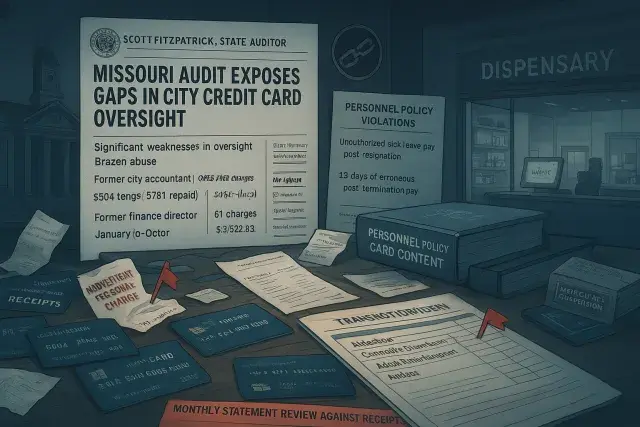
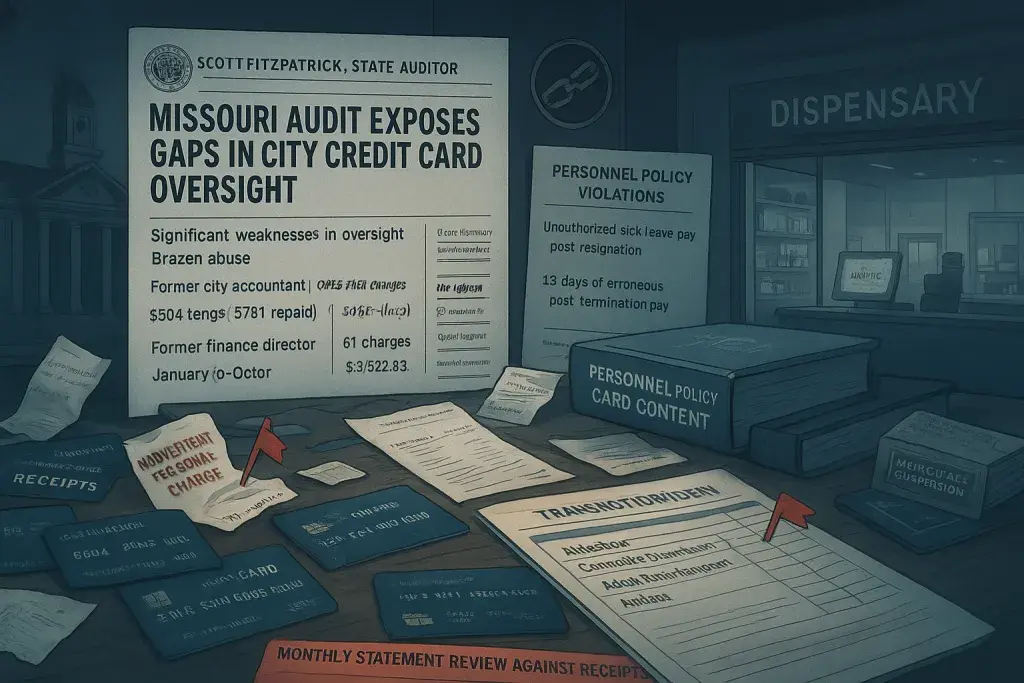
According to the audit, a former city accountant made $884 in personal purchases between May and December 2024, including rideshare fares, a cannabis store transaction and charges at "adult entertainment establishments." The employee has repaid $781, with $103 still outstanding, the report says. Separately, the city's former finance director made 61 personal charges totaling $3,522 between January and October 2025 - expenses logged internally as "Inadvertent Personal Charge" on monthly statements that apparently drew no scrutiny for months.
That labeling detail is worth sitting with. A transaction tagged as inadvertent, repeated 61 times, stops looking like an accident and starts looking like a workaround nobody challenged. In compliance terms, this is a control failure, not a technology failure - the tools to catch this exist, but only if someone actually reviews the monthly statements against receipts and business purpose.
What This Means Beyond City Hall
Fitzpatrick's office was blunt, calling the abuse "brazen" and pointing to the city's "significant weaknesses in oversight." The report also found Webster Groves failed to follow its own personnel policies: the finance director received sick leave pay after his resignation date, and the fired accountant kept receiving pay for 13 days post-termination, with no documentation justifying either.
For dispensary operators and other regulated-retail businesses watching from the sidelines, the lesson isn't about cannabis specifically - it's about card governance generally. Any business running purchasing cards, whether for a city finance department or a multi-store dispensary chain, needs:
- Monthly statement review against actual receipts, not just categorical approval
- Written policies explicitly prohibiting personal use, with enforcement teeth
- Immediate card suspension for missing documentation
- Clear termination protocols tied to payroll systems so departed employees stop receiving pay or benefits automatically
Webster Groves says it has already tightened its process, cutting card access for employees who miss documentation deadlines. Interim City Manager Scott Davis said the city "welcomed the audit" and has strengthened oversight since the issue surfaced internally through late purchasing card reports flagged by finance staff. Whether that's enough to prevent a repeat is the real test - audits catch what already happened; they don't guarantee what happens next.