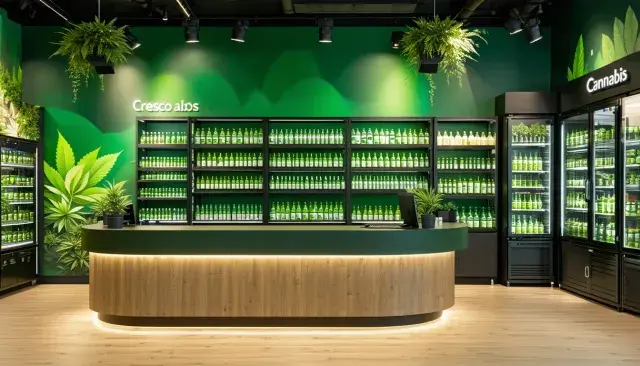
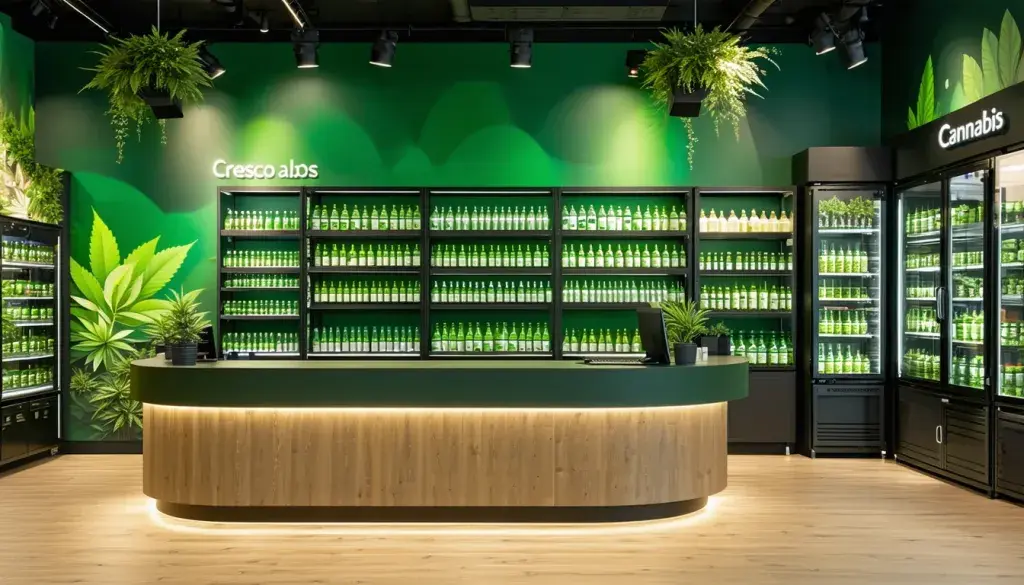
Cresco Labs has opened a new Sunnyside dispensary in Tamarac, Florida - its 31st location in the state and 72nd nationally - adding to one of the most heavily concentrated vertical operations in the U.S. medical cannabis market. The store, located at 6001 N. University Drive, began serving patients as of January 9, 2026, stocking products from across the company's branded portfolio and offering both in-store and online ordering.
Florida's Medical Market Rewards Scale - But Demands It Too
Florida remains a medical-only cannabis market, which shapes everything about how an operator like Cresco runs a dispensary there. Unlike adult-use states where retail traffic can be more spontaneous, Florida's program centers on registered patients with physician certifications. That means the retail environment skews toward education and clinical accessibility - the kind of experience Cresco CEO Charlie Bachtell referenced when describing the Tamarac store as "approachable" and "educational."
That language isn't just marketing copy. It reflects a real operational reality: Florida dispensaries must staff for patient intake questions, product guidance, and ongoing compliance with the state's medical cannabis program requirements. Budroom staff are, in effect, fielding questions from people managing specific health conditions - a very different demand on training and floor operations than a recreational retailer in Colorado or Michigan.
What's striking here is the sheer density of Cresco's Florida presence. Thirty-one locations in a single state is not incidental growth. Florida's Medical Marijuana Treatment Center (MMTC) license structure has historically allowed vertically integrated operators to control cultivation, processing, and dispensing within one license - meaning Cresco's supply chain from grow to retail shelf operates within a single regulatory entity. That kind of vertical integration reduces wholesale dependency but also concentrates compliance exposure: one license covers every touchpoint, so a tracking failure or labeling issue anywhere in the chain carries statewide implications.
What the Brand Portfolio Strategy Signals
Sunnyside Tamarac will carry products under Cresco, FloraCal, Supply, Good News, Remedi, and the Sunnyside house label. That's a multi-tiered brand architecture under one roof - essentially a controlled retail environment where the operator owns the shelf from top to bottom.
For competing operators and independent dispensaries, that's a difficult position to match. A single-location or regional operator buying wholesale typically assembles a mixed menu from multiple licensed producers, manages varied COA documentation, and negotiates shelf placement. Cresco, by contrast, can align inventory levels, pricing tiers, and product launches across its Florida network with precision. The Supply brand tends to signal value-oriented positioning; Remedi typically targets medical-specific formats; FloraCal has been positioned in a more premium register. Stacking all of that within one footprint means the store can address different patient needs - and different price sensitivities - without relying on external vendors.
In practice, though, that level of internal SKU management comes with its own complexity. Maintaining distinct brand identities at the point of sale requires staff training that goes beyond basic product knowledge. Patients need to understand why a Remedi product differs from a Good News product - not in terms of any therapeutic outcome, but in terms of format, concentration, and intended use. Compliant labeling, accurate batch information, and current COAs are non-negotiable in that environment.
Store Parameters and What They Tell Operators
The store's hours - 9 a.m. to 8 p.m. Monday through Friday, 9 a.m. to 6 p.m. on Sundays - are fairly standard for Florida medical dispensaries, though hours of operation remain a compliance and local zoning consideration that operators in new markets should verify early in the build-out process. Municipalities can and do impose additional restrictions beyond the state baseline.
Online ordering through sunnyside.shop adds a layer of operational infrastructure that smaller operators sometimes underestimate. Pre-order fulfillment requires real-time inventory accuracy tied to the POS system, which means any lag between seed-to-sale tracking records and actual shelf stock creates compliance exposure - not just a customer service headache. Florida's regulatory framework requires dispensaries to maintain accurate inventory records, and discrepancies between what the system shows and what's physically in the store are the kind of thing that surfaces in compliance audits.
For a multi-state operator running 72 locations, that kind of systems integration is table stakes. For smaller operators watching Cresco's expansion, the lesson is less about scale and more about infrastructure discipline - because the same compliance requirements apply regardless of how many stores you run.
The Competitive Pressure Behind the Expansion
Florida has drawn sustained interest from large multi-state operators precisely because its medical market is the largest in the country by patient count. Expansion in that environment is partly about serving patient demand and partly about locking in retail presence ahead of any potential adult-use transition - a policy question Florida voters have weighed in on, though the regulatory path forward remains unsettled as of early 2026.
For other licensed operators in the state, Cresco's continued build-out is a reminder that access to capital and a vertically integrated license structure create compounding advantages in a market where new dispensary licenses are not freely issued. Geographic positioning matters; a new Sunnyside in Tamarac - a densely populated part of Broward County - is a deliberate move into a patient-dense corridor, not a random address.
The thing is, dispensary real estate decisions in Florida carry long tails. Lease terms, local zoning compliance, proximity to schools or religious institutions, and ADA accessibility all factor into whether a dispensary can open, stay open, and expand its hours over time. Operators at any scale benefit from treating site selection as a compliance exercise as much as a commercial one.