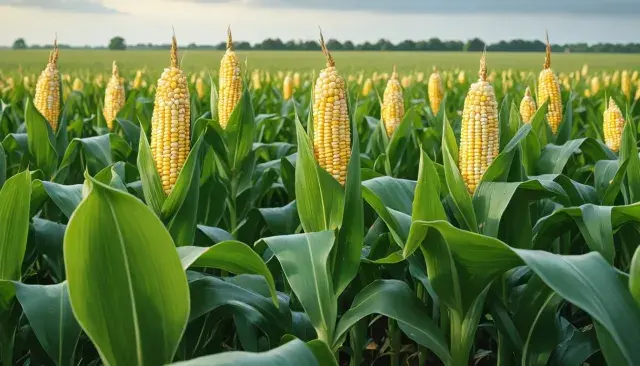
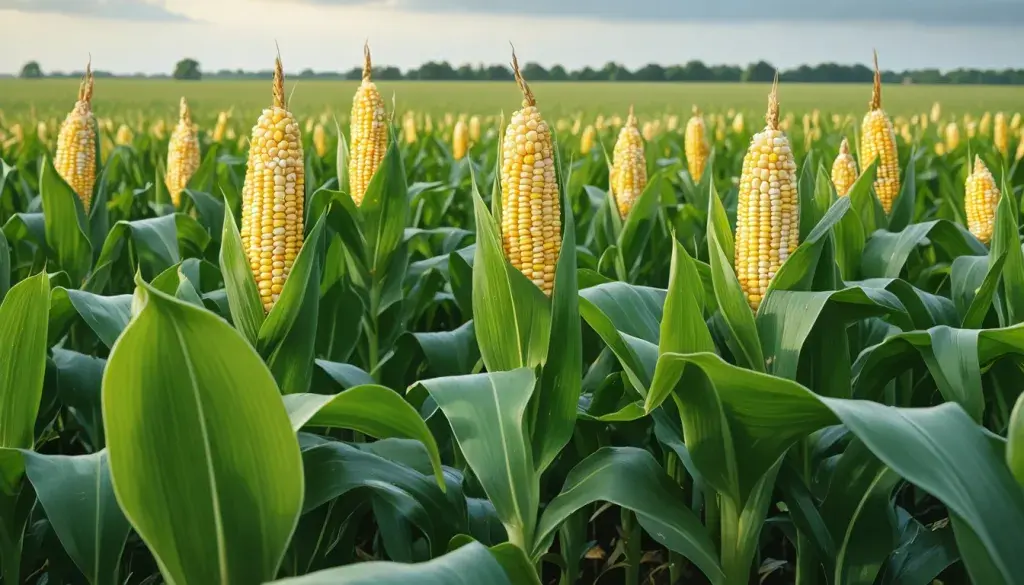
Abundant rainfall across parts of the Midwest in July 2025 boosted corn yields in many fields, yet it also heightened risks to stalk integrity as the season ends. Saturated soils foster diseases that erode plant structure, while corn plants under stress cannibalize their own stalks to fill kernels. Farmers now face decisions on harvest timing to avoid lodging and equipment damage.
Biotic and Abiotic Stressors Erode Stalk Strength
Diseases such as gibberella, diplodia, fusarium, and anthracnose stalk rots thrive in wet conditions, consuming internal stalk tissue and turning solid white cores into brittle straw. Abiotic factors compound the damage: when nutrients or moisture fall short during kernel fill, plants redirect resources from stalks to ears, sacrificing structural health for seed production. Wind easily topples these compromised stalks, complicating harvest and reducing recoverable yield.
Early Detection Through Brace Roots and Push Tests
Brace roots offer the first visible warning signs before stalks fail outright. Healthy brace roots remain green, smooth, and firm late in the season; stressed ones blanch, crease lengthwise, and collapse under light pressure. For a field-level assessment, Purdue Extension corn specialist Dan Quinn advises the push test: apply force to 100 consecutive stalks and calculate the percentage that fail to rebound, indicating rot prevalence and harvest urgency.
Proactive Practices to Safeguard Future Crops
Adequate nutrient supply prevents cannibalization, while hybrid selection plays a key role—choose varieties with strong disease resistance, superior stay-green traits, and low lodging risk, matched to each field's stress profile like drought potential. Fungicides preserve leaf function to sustain plant vigor. Field surveys now guide which areas to prioritize for combining, minimizing downtime and machinery strain while preserving quality.