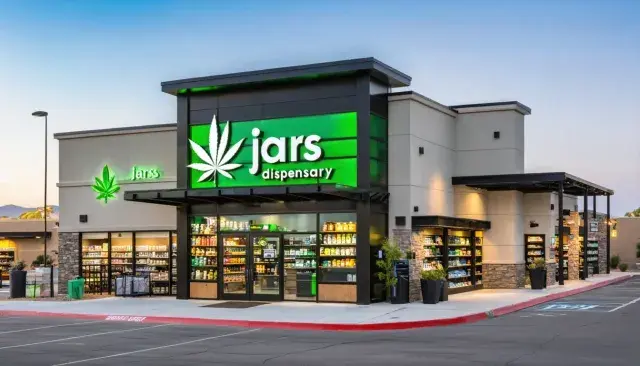

Fine Fettle, a prominent cannabis dispensary chain with locations across Connecticut including Willimantic, announces the conversion of all its stores to hybrid operations starting Thursday. This shift, mandated by a new state law, bridges medical and recreational markets to broaden patient access amid rising demand for therapeutic cannabis.
Details of the Hybrid Transition
The change allows Fine Fettle's eight Connecticut locations to serve both medical patients and recreational customers under one roof. Effective immediately following the law's implementation, this aligns with legislative efforts to streamline operations and reduce barriers for medical users. Key features include:
- Priority service lines for medical cardholders to minimize wait times
- Expanded inventory of high-CBD products tailored for conditions like chronic pain and epilepsy
- Trained staff to guide patients on dosage and strain selection
This move eliminates the need for separate medical-only queues, a common pain point in prior models.
Connecticut's Evolving Cannabis Policy Landscape
Connecticut legalized recreational cannabis in 2021, but medical programs launched earlier in 2012 have served over 100,000 patients. The new law addresses hybrid disparities by permitting existing dispensaries to integrate markets, following similar expansions in states like Massachusetts and New Jersey. Fine Fettle, operational since 2021, has already seen medical sales comprise 40% of its volume, per industry estimates, underscoring the program's maturity.
Drivers include post-pandemic surges in medical cannabis use for anxiety and sleep disorders, with state data showing a 25% patient increase since 2020.
Health Implications and Patient Benefits
Hybrid models promise greater equity in access, particularly for underserved rural areas like Willimantic, where transportation barriers often deter medical visits. Public health experts note cannabis's role in opioid reduction—Connecticut reported a 15% drop in opioid prescriptions correlating with medical program growth. By merging services, Fine Fettle can offer competitive pricing and fresher products, potentially improving adherence to therapeutic regimens.
However, safeguards like age verification and potency limits remain to protect vulnerable groups.
Future Outlook for Cannabis Access
This expansion signals Connecticut's maturation as a cannabis hub, projecting $500 million in annual sales by 2025. Nationally, hybrid dispensaries correlate with 20% higher patient retention due to convenience. For Fine Fettle, it positions the chain for growth while reinforcing cannabis as a viable health option amid shifting federal attitudes.