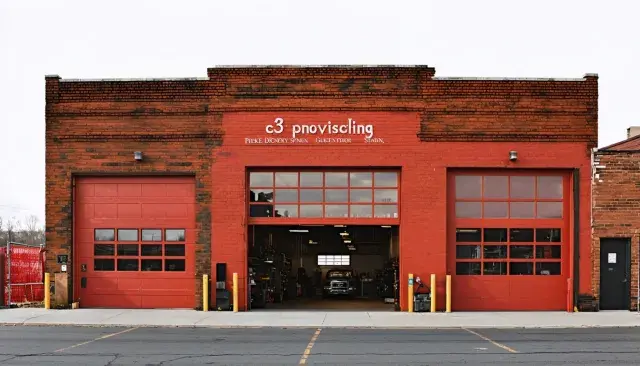
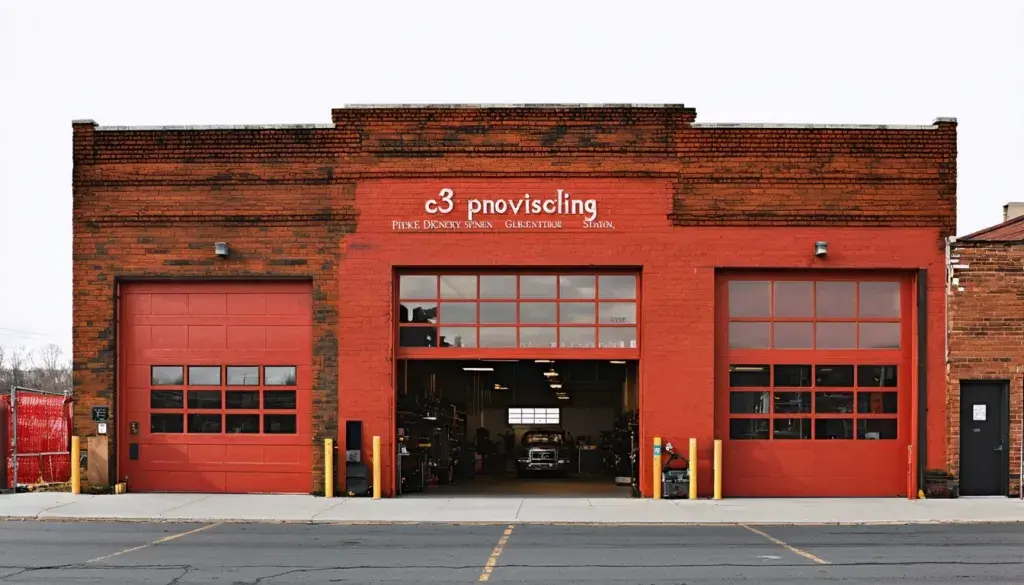
In a unanimous decision Monday night, the Village of Pinckney Council approved a special land use request to transform the long-vacant old fire station at 1066 East Main Street into the area's first marijuana retailer. This move signals a fresh chapter for local economic revitalization amid Michigan's expanding cannabis market.
Project Details and Approval Process
The applicant, QPS Michigan Holdings LLC—operating as C3 Provisioning—plans minimal alterations to the building's footprint in the Secondary Business District. No expansions are proposed; instead, the focus is on interior upgrades for retail use, plus added parking and enhanced stormwater management at the rear.
- Approval came with conditions: updated state prequalification documents and green infrastructure aligned with the Village Master Plan.
- The Planning Commission had previously recommended approval with similar stipulations.
- Representing the firm, local resident Bob Phillips emphasized the company's professional track record across six states.
Company Background and Local Fit
Based in Ann Arbor, QPS has operated for six years with 10 Michigan retail stores in cities like Ironwood, Grand Rapids, and Kalamazoo, plus 31 outlets nationwide. Phillips highlighted their compliance history, noting the application dates back to 2021 with recent updates per village planning.
Village President Jeff Buerman praised the project as an ideal building rehab that adheres to all guidelines, breathing new life into a structure idle for years. No council opposition emerged, only inquiries about the firm's other Michigan sites.
Broader Context in Pinckney's Cannabis Landscape
This approval grants only the special land use permit; actual licensing awaits state availability, as no village marijuana licenses are currently open. Contrastingly, The Means' license at the former Pinckney Elementary—once eyed as Livingston County's first cannabis site—faces potential revocation after stalling despite early approval.
Michigan's adult-use cannabis legalization since 2018 has spurred over 700 provisioning centers statewide, generating $3 billion in sales last year and thousands of jobs. Repurposing vacant public buildings like this fire hall exemplifies how communities leverage the industry for downtown renewal without sprawling development.
Implications for Village Growth and Sustainability
Expectations include boosted property values, tax revenue, and foot traffic in Pinckney's business district. The mandated stormwater innovations support climate resilience, tying into national trends where cannabis firms adopt eco-friendly practices to mitigate runoff and flooding risks.
While skeptics worry about normalization, evidence from established markets shows regulated retail reduces black-market activity and enhances public safety through strict oversight. This could position Pinckney as a forward-thinking rural hub in Michigan's $4 billion cannabis economy.