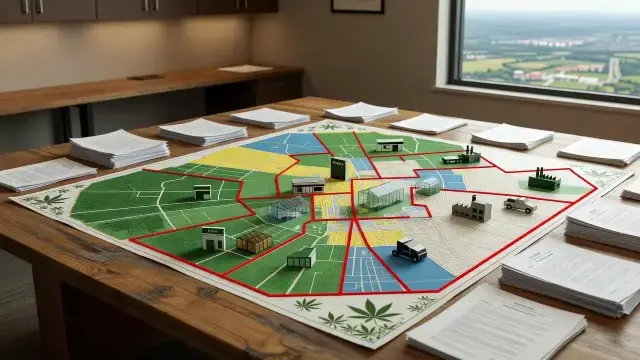
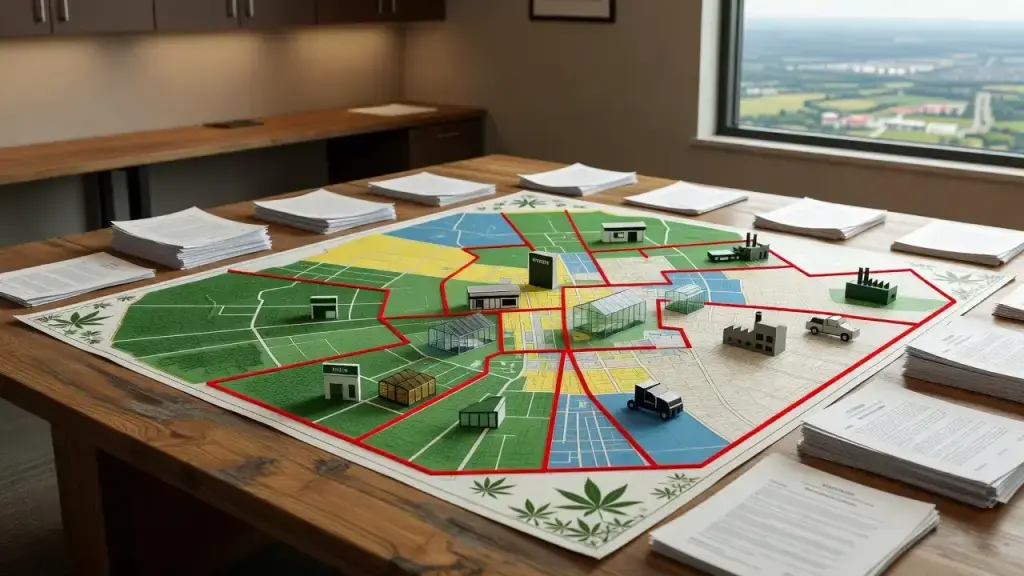
Henrico County is drafting zoning amendments that would govern where and how recreational marijuana businesses can operate, a local response to state law changes that opened the door to commercial adult-use cannabis activity in Virginia. The proposal would set location, use-type, and operational parameters for cultivators, processors, wholesalers, and retailers seeking to do business inside county lines. For operators eyeing the Richmond-area market, this is the kind of local groundwork that determines whether a state license actually translates into a workable storefront.
Why Local Zoning Still Decides the Outcome
State legalization sets the broad legal framework, but it's county and city zoning codes that decide whether a dispensary can actually open its doors. Virginia's cannabis statute leaves significant discretion to localities on where cannabis businesses may locate, how close they can sit to schools or residential zones, and what kind of site plan or special-use permit review is required. Henrico's proposed ordinance would essentially translate state permission into a local rulebook - defining zoning districts, buffer distances, and permitted use categories for cultivation facilities, product manufacturing sites, wholesale operations, and retail storefronts. That distinction matters enormously for site selection. A parcel that looks ideal on a commercial real estate listing might be disqualified outright once distance requirements from schools, daycare centers, or places of worship are applied.
What Operators and Landlords Should Be Watching
For prospective retailers and commercial landlords, the zoning text itself is the operative document, not just the fact that cannabis is now legal for adult use in Virginia. Key variables typically include which zoning districts allow retail cannabis sales outright versus by special exception, whether drive-through sales or delivery operations face separate restrictions, and how signage and storefront visibility are treated compared with alcohol retailers or pharmacies. Operators should also expect parking, hours-of-operation, and security requirements layered on top of standard commercial zoning - provisions that add real cost to buildout even before a license application moves forward.
- Proximity restrictions from schools, parks, and residential zones
- Permitted zoning districts for cultivation, processing, wholesale, and retail uses
- Special-use permit or conditional-use review requirements
- Security, signage, and operating-hour conditions tied to local approval
In practice, though, zoning approval is only the first gate. Businesses still need state licensing, seed-to-sale tracking compliance, lab testing protocols for product batches, and compliant packaging that meets labeling and child-resistance standards. A site that clears Henrico's zoning hurdle still has to satisfy the Virginia Cannabis Control Authority's licensing and operational requirements before a single product reaches a shelf.
A Local Test Case for a Statewide Rollout
Henrico's move matters beyond its own borders because it offers other Virginia localities a working template - or a cautionary example - as adult-use retail infrastructure takes shape statewide. Counties that write restrictive zoning early can effectively limit the number of viable retail sites regardless of how many state licenses are issued, a dynamic already familiar to operators in states where local control created de facto license caps. For multi-site operators and investors evaluating the Virginia market, that means due diligence can't stop at state statute. Local planning commission agendas, board of supervisors votes, and zoning text amendments carry just as much weight in determining where a dispensary can realistically sit - and whether the real estate math behind a lease or purchase will actually pencil out once compliance costs are factored in.