Missouri regulators issued a blunt message to the state's medical cannabis industry on Nov. 9: a federal Schedule III registration does not override state law, and licensees who assume otherwise are courting trouble. The guidance from the Division of Cannabis Regulation (DCR) landed ten days after the DEA approved its first wave of Schedule III registrations for state-licensed medical operators, a milestone that generated plenty of industry buzz but, as Missouri just made clear, very little practical change on the ground.
A Dual-Layer System, Not a Replacement
Here's the catch that some operators may have missed amid the excitement: rescheduling doesn't swap out state oversight for federal oversight. It stacks federal requirements on top of what already exists. The DCR described it as a "dual-layer system," meaning licensees who choose to register with the DEA now answer to two regulatory bodies at once, not one. That's a meaningful operational distinction. Missouri's track-and-trace requirements, testing standards and facility access rules remain fully in force regardless of what happens at the federal level.
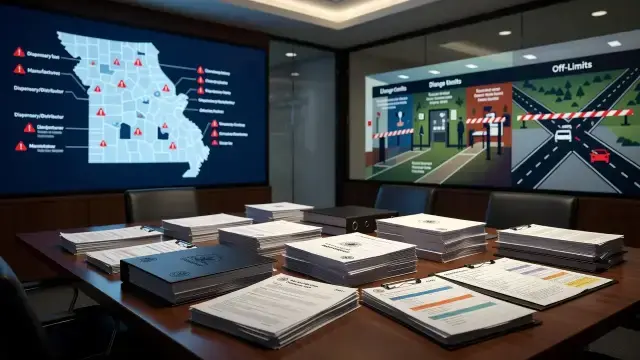
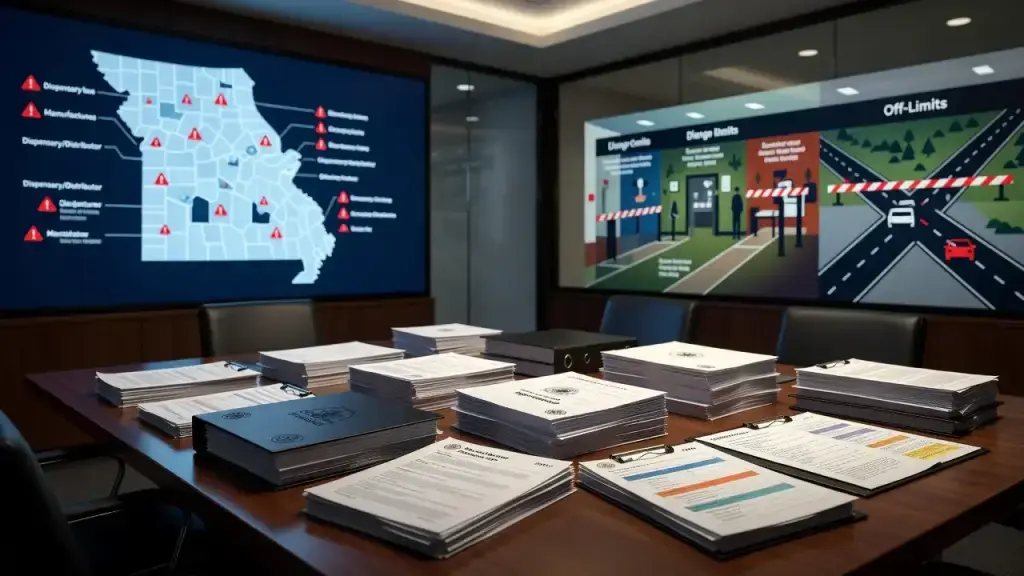
Of the 209 Missouri cannabis businesses that applied through the DEA's expedited registration pathway - 156 dispensaries, 18 distributors and 35 manufacturers - none made the initial approval list. Missouri's status as one of 24 states with both adult-use and medical markets appears to be a factor. The DEA's reasoning in at least one Minnesota denial cited insufficient "robust" protections against diversion in dual-market states, though it remains unclear whether that logic will apply uniformly across every state with overlapping adult-use and medical licensure.
Interstate Commerce Remains Off-Limits
The DCR used interstate commerce as its sharpest example of where federal and state rules diverge. Should a licensee eventually receive DEA authorization to import or export cannabis products, acting on that authority before Missouri updates its own statutes would jeopardize state licensure - and DEA registration depends entirely on maintaining that license. In other words, jumping ahead of Missouri lawmakers could cost an operator everything. Missouri's regulatory framework simply has no mechanism yet for transporting cannabis across state lines, legally speaking, and pretending otherwise is not a defense regulators intend to accept.
This matters for multi-state operators eyeing Schedule III as a bridge to broader distribution networks. The benefits of rescheduling are real on paper: deductibility of ordinary business expenses under Section 280E, potential access to banking relationships, and long-term possibilities around export licensing. But none of that authorizes a dispensary or distributor to move product across a state border today.
What Compliance Teams Should Watch
The DCR's reminder list reads like a standard compliance audit checklist, and that's deliberate:
- Full adherence to statewide track-and-trace system requirements for every product batch
- Continued compliance with state lab testing standards, including DHSS-approved methodologies and certified laboratories
- Strict visitor and facility access protocols, including sign-in logs and escorted entry, applied equally to DEA agents conducting inspections
Operators should also review House Bill 2641, the Intoxicating Cannabinoid Control Act, which folds hemp-derived cannabinoid products into the state's legal definition of marijuana and introduces new confidentiality provisions taking effect Nov. 11, 2026. For compliance officers, that's one more item on an already crowded checklist - and a reminder that Missouri's regulatory architecture is still actively under construction, not frozen in place.
The underlying message from the DCR is straightforward: keep operating exactly as you do now. Federal registration adds obligations; it doesn't subtract Missouri's. Licensees who confuse the two risk their state license - and with it, everything the Schedule III registration was supposed to protect.